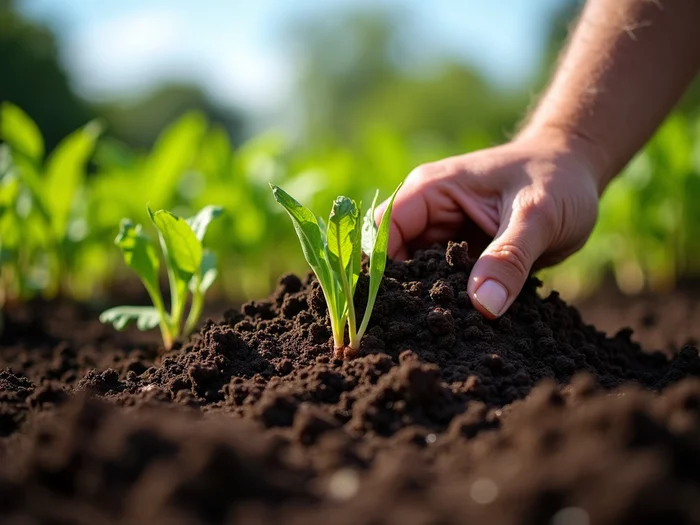
No-Till and Low-Till Practices
- Minimizes soil disturbance
- Preserves microbial life
- Enhances nutrient cycling
Subscribe to receive the latest tips and insights on creating a lush lawn, directly to your inbox.
Posted on: 2026-07-10
By: Derek Vattelana
Did you know that healthy soil acts like a living organism? It stores nutrients, retains moisture, and supports beneficial organisms, making it the foundation of a thriving garden!
These techniques significantly enhance soil health and contribute to a sustainable gardening ecosystem. For more insights on nurturing your lawn, check out our natural lawn fertilization methods.
Soil health plays a crucial role in plant growth and maintaining the balance of our ecosystems. As a lawn care expert at Turfcare PA Professional, I've seen firsthand how a healthy lawn starts from the ground up. When the soil is rich in nutrients and microorganisms, it nurtures plants and creates a thriving environment for them to flourish!
Healthy soil acts like a living organism, capable of storing nutrients, retaining moisture, and even supporting beneficial organisms. It’s essential to recognize that the foundation of a beautiful lawn extends beyond its visible blades of grass. By prioritizing soil health, we are investing in a sustainable future for our gardens and landscapes.
To grasp the full impact of soil health, we must understand its direct link to sustainable gardening practices. Healthy soil enhances nutrient cycling, supports plant health, and encourages biodiversity in the garden. This balance fosters a vibrant ecosystem that benefits not only the plants but also the surrounding wildlife.
By investing time in nurturing soil health, gardeners can create a self-sustaining system that requires less input and maximizes output. It’s a win-win for both the environment and the gardener!
Organic soil conditioning refers to the practice of enhancing soil quality using natural materials and techniques that promote ecological balance. This method stands in stark contrast to synthetic approaches, which often rely on chemical fertilizers and can lead to soil degradation over time.
At Turfcare PA Professional, I emphasize the importance of organic practices because they nourish the soil and contribute to a healthier ecosystem. By opting for organic methods, we're not just improving our lawns; we're fostering a sustainable environment for future generations.
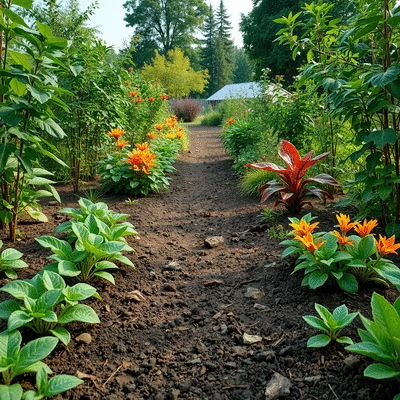
No-till and low-till practices are essential techniques in organic soil conditioning that minimize soil disturbance. These methods help maintain the natural structure of the soil and protect the delicate ecosystem of microorganisms living within it.
Implementing these practices allows gardeners to create a more resilient soil environment, which ultimately leads to healthier plants and a more vibrant lawn. Think of it as protecting the underground world that supports your garden’s beauty!
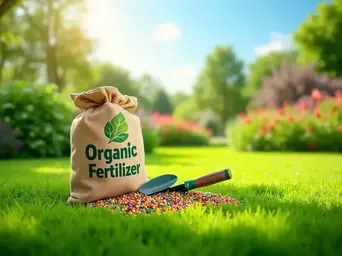
Compost is a powerhouse in organic soil conditioning. It enriches the soil with essential nutrients and improves its structure. There are various types of compost, including:
Understanding the correct application rates of these organic amendments is vital for maximizing their benefits. I always recommend incorporating compost into your lawn care routine to boost soil health and promote a thriving landscape.
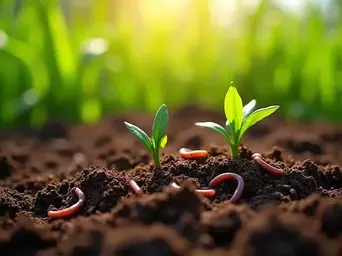
Vermicompost is another fantastic organic addition to your soil conditioning toolkit. Produced by worms, this nutrient-rich compost enhances soil fertility and supports beneficial soil microorganisms. It acts as a natural fertilizer that not only feeds your plants but also improves soil structure.
Integrating vermicompost into your lawn care can lead to noticeable improvements in plant health, resilience, and overall lawn aesthetics. Just imagine the lush, green expanse you can achieve with this little powerhouse!
Mulching is a simple yet effective technique to improve soil moisture retention. By covering the soil with organic materials such as:
you can create a protective barrier that helps keep moisture in the soil while suppressing weed growth! This practice not only benefits your plants but also supports a diverse ecosystem beneath the surface.
Cover crops and crop rotation are integral to building soil fertility. These practices help diversify plant life, improve soil structure, and enhance nutrient availability. By planting different crops in rotation, you can:
Implementing these strategies will lead to a flourishing garden and a healthy lawn. Plus, it aligns perfectly with my mission at Turfcare PA Professional to promote sustainable practices! For effective weed management strategies, see our article on effective weed management strategies.
The chop-and-drop method is a practical no-till technique that focuses on nutrient recycling in the garden. By chopping back certain plants and leaving the cuttings on the soil surface, you can:
This method is an excellent way to nourish your lawn while minimizing the need for additional fertilizers. It’s about working with nature to create a thriving ecosystem!
Regular soil testing is key to understanding and improving your soil health. By assessing the nutrient levels and pH balance, you can tailor your soil conditioning practices to meet the specific needs of your lawn.
At Turfcare PA Professional, we encourage our clients to embrace soil testing. It’s like taking your lawn’s health to the doctor—ensuring it gets the care it needs to thrive!
Increasing biodiversity in your garden can significantly improve soil structure. Diverse plant roots create channels in the soil, allowing air and water to penetrate more easily. This, in turn, supports a robust ecosystem that benefits all plants.
By cultivating a variety of plants, you're not just enhancing your lawn—you're promoting a vibrant ecosystem that supports sustainable gardening practices. Let’s work together to enhance our soil for healthier lawns and gardens!
Did you know? Regularly incorporating organic matter, such as compost or aged manure, not only improves soil structure but also enhances its nutrient-holding capacity. This simple practice can lead to healthier plants and a more vibrant lawn!
As we wrap up our exploration of organic soil conditioning, it's clear that embracing these techniques can significantly enhance the health of your garden or farm. By focusing on methods like no-till practices, compost application, and effective mulching, we can create a thriving ecosystem that supports not just our plants, but the entire environment. Remember, each technique brings unique benefits that contribute to sustainable gardening!
Let’s revisit some key takeaways:
By integrating these techniques into your gardening routine, you're not just nurturing your plants; you're fostering a healthier ecosystem right in your backyard. At Turfcare PA Professional, we believe that soil health is the foundation of a stunning lawn and garden, and it all starts with the right conditioning methods!
Now that you’re equipped with knowledge about organic soil conditioning, it’s time to take action! I encourage you to assess your soil health and choose at least one technique from our discussion to implement. Whether it’s creating a compost pile or starting a no-till garden, each small step can lead to a big difference in your lawn or garden’s vitality.
As you embark on this journey, don't hesitate to reach out for support! At Turfcare PA Professional, I’m here to help you every step of the way. Let’s work together to make your outdoor space not just beautiful but also sustainable.
I’d love to hear from you! Have you tried any of the organic soil conditioning techniques we discussed? What worked for you? Feel free to share your experiences or ask any questions in the comments below. Engaging with fellow gardeners and farmers can spark new ideas and solutions for all of us!
If you're eager to dive deeper into organic soil conditioning, here are some great resources to consider:
These resources can provide you with further insights, tips, and strategies to enhance your gardening journey. Remember, we’re all in this together—let's cultivate our knowledge and our gardens!
Here is a quick recap of the important points discussed in the article: