Natural Lawn Fertilization Methods
Posted on: 2026-07-10
By: Derek Vattelana
Choosing the right fertilizer can significantly enhance your lawn's health and beauty. As you embark on your lawn care journey, understanding organic lawn fertilization is your first step toward achieving a lush, sustainable outdoor space.
What You Will Learn
- Organic fertilization uses natural materials to enhance soil health, promoting long-term growth.
- Choosing organic fertilizers is safer for the environment and improves soil structure over time.
- Organic matter in soil acts as a sponge, improving moisture retention and nutrient availability.
- Soil testing is essential for tailored fertilization, ensuring the right nutrients are applied when needed.
- Factors like grass type, climate, and lawn size are crucial in selecting the right organic fertilizer.
- DIY fertilizer recipes, like compost tea and banana peel fertilizer, can be effective and fun to create.
Key Benefits of Organic Lawn Fertilization
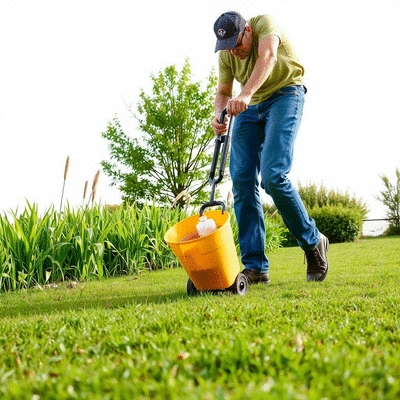
Understanding the advantages of organic lawn fertilization highlights its significance for a healthier lawn and environment.
Environmental Safety
Organic fertilizers are biodegradable and safer for the environment, reducing the risk of water supply contamination.
Long-term Soil Health
They enhance soil structure and aeration, improving moisture retention and nutrient cycling.
Soil Microbial Activity
Support for beneficial microbes, which increases organic matter and enhances overall soil fertility.
Pest Resistance
Builds up the soil's resilience against pests and diseases, leading to a healthier lawn.
When it comes to nurturing a healthy lawn, organic lawn fertilization is a game-changer. It involves using natural materials to provide essential nutrients to your grass, promoting growth without the harmful effects of synthetic chemicals. With my experience at Turfcare PA Professional, I’ve seen firsthand how organic methods can transform an average lawn into a lush paradise.
Organic fertilization isn’t just about feeding your grass; it’s about enriching the soil. By utilizing natural products, we support the delicate balance of soil organisms, which in turn helps your lawn thrive. Understanding what organic lawn fertilization entails is crucial for anyone looking to improve their outdoor space sustainably.
What is Organic Lawn Fertilization?
At its core, organic lawn fertilization uses natural substances like compost, manure, and bone meal to enhance soil health. Unlike chemical fertilizers, which offer quick fixes, organic options work over time, steadily releasing nutrients as they break down. This method not only feeds your lawn but also builds up the soil structure, making it more resilient to pests and diseases.
- Compost: A fantastic soil conditioner that enriches with organic matter.
- Fish emulsion: High in nitrogen, great for lush green growth.
- Bone meal: Provides phosphorus for strong root development.
In my practice, I emphasize the importance of incorporating various organic materials to cater to your lawn's specific needs. Not only does this approach promote a healthier lawn, but it also fosters a thriving ecosystem within your garden!
Benefits of Choosing Organic Over Chemical Fertilizers
Choosing organic fertilizers comes with numerous benefits. First and foremost, they are safer for the environment and your family. Chemical fertilizers can leach into water supplies and harm local wildlife, but organic options are typically biodegradable, reducing environmental impact. Secondly, organic fertilizers improve soil health over time, leading to more sustainable growth.
- Enhanced soil structure and aeration
- Increased moisture retention
- Improved nutrient cycling in the soil
When clients ask me about lawn care, I always highlight how organic fertilizers create a healthier growing environment. The result? A lawn that not only looks good but also supports a diverse range of flora and fauna!
The Role of Organic Matter in Soil Health
Organic matter is vital for maintaining healthy soil. It acts like a sponge, holding onto moisture and nutrients, making them available to your lawn when needed. So, what exactly constitutes organic matter? It includes anything from decomposed leaves and grass clippings to the remnants of living organisms like earthworms and other beneficial microbes.
- Improves soil fertility and nutrient availability
- Promotes beneficial microbial activity
- Enhances soil aeration and drainage
By fostering a rich organic layer in your soil, you’re setting the stage for a vibrant lawn that can withstand the test of time. At Turfcare PA Professional, we’re dedicated to helping homeowners in Southeastern Pennsylvania create such thriving environments through our customized lawn care programs!
We Want to Hear From You!
What do you think about using organic fertilizers for your lawn? Have you noticed any differences in soil health or lawn appearance? Share your thoughts below:
Summary of Key Insights on Organic Lawn Fertilization
As we wrap up our discussion on organic lawn fertilization, it's clear that understanding the importance of soil health cannot be overstated. By opting for organic fertilizers, not only are you nourishing your lawn, but you’re also improving the overall ecosystem of your outdoor space. Remember, healthy soil is the foundation of a vibrant lawn!
One of the most important takeaways is that soil testing is your best friend in achieving tailored fertilization. Knowing what your soil needs allows you to apply the right nutrients at the right time, ensuring optimal growth without unnecessary waste. This personalized approach is something we at Turfcare PA Professional truly believe in, as it aligns perfectly with our mission to provide tailored solutions for the lawns of Southeastern Pennsylvania.
Highlighting the Importance of Soil Testing and Tailored Fertilization
Conducting a soil test may seem like an extra step, but trust me, it's worth it! By understanding your soil's composition and nutrient levels, you can make informed decisions about which fertilizers will work best for you. Here’s why soil testing should be a priority:
- Identifies nutrient deficiencies, allowing for precise corrections.
- Helps understand soil pH, which can affect nutrient availability.
- Guides the selection of the most suitable organic fertilizers.
- Enhances long-term lawn health through informed fertilization strategies.
At Turfcare PA Professional, we emphasize the importance of this step in our lawn care programs. Whether you’re in Chester County or the neighboring areas, we help our clients understand their soil needs to achieve lush, green lawns.
Next Steps for Your Lawn Care Journey
Now that you have a solid grasp of organic lawn fertilization, it's time to think about the next steps in your lawn care journey! Choosing the right fertilizer can make all the difference, and I’m here to help guide you through the process.
Choosing the Right Organic Fertilizer for Your Needs
With so many options available, selecting the right organic fertilizer might feel overwhelming. However, by keeping your specific lawn needs in mind, you can make a choice that suits your situation perfectly. Here are some factors to consider:
- The type of grass you have and its nutrient requirements.
- Your local climate and soil conditions.
- Your lawn size and desired maintenance level.
- Any specific lawn issues, such as pest problems or poor soil quality.
If you’re unsure, don’t hesitate to reach out to us at Turfcare PA Professional! We’re always ready to help you find the right solution tailored to your unique lawn.
Resources for Further Learning and Engagement
Continuing to educate yourself on organic lawn care practices is crucial! Here are some excellent resources to help you dive deeper:
- Local cooperative extension services for workshops and advice.
- Online courses and webinars on lawn care and organic practices.
- Books by trusted authors in the field of sustainable gardening.
- Community gardening groups where you can share experiences and tips.
Engaging with these resources will not only expand your knowledge but also connect you with like-minded lawn enthusiasts!
DIY Lawn Fertilizer Recipes for Enthusiasts
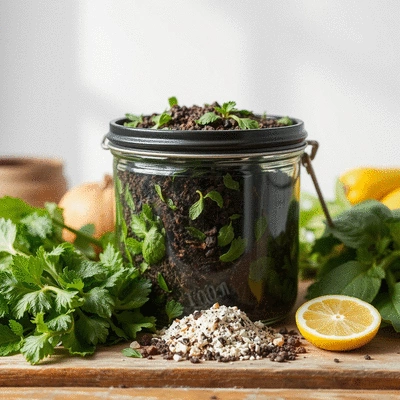
If you're feeling adventurous, why not try making your own organic fertilizer? Here are a couple of simple DIY recipes that can give your lawn a boost:
- Compost Tea: Steep a bag of compost in water for a week, then dilute and use it as a liquid fertilizer.
- Banana Peel Fertilizer: Soak banana peels in water for a few days and use the nutrient-rich water to nourish your plants.
These homemade solutions are not only effective but also an enjoyable way to engage in lawn care! If you have any questions or need further guidance, feel free to contact me at Turfcare PA Professional. Together, let’s transform your lawn into a green oasis!
Recap of Key Points
Here is a quick recap of the important points discussed in the article:
- Organic lawn fertilization uses natural materials like compost and bone meal to improve soil health and promote steady growth.
- Choosing organic over chemical fertilizers leads to a safer environment, improved soil health, and enhanced moisture retention.
- Incorporating organic matter into the soil boosts fertility, microbial activity, and drainage, resulting in a vibrant lawn.
- Conducting soil tests is crucial for understanding nutrient needs and ensuring tailored fertilization strategies for optimal growth.
- Selecting the right organic fertilizer depends on grass type, local climate, and specific lawn issues to achieve the best results.
Frequently Asked Questions
- What are the main benefits of organic lawn fertilization? Organic lawn fertilization offers environmental safety, improves long-term soil health, boosts microbial activity, and enhances pest resistance.
- What materials can be used in organic fertilization? Common materials include compost, manure, fish emulsion, and bone meal.
- How does organic fertilization compare to chemical fertilizers? Organic fertilizers are generally safer for the environment, improve soil health over time, and provide a steady release of nutrients compared to the quick fixes offered by chemical fertilizers.
- Why is soil testing important for fertilization? Soil testing helps identify nutrient deficiencies, informs you of the soil pH, guides fertilizer selection, and enhances long-term lawn health through tailored fertilization.
- Are there DIY organic fertilizer recipes I can try? Yes, you can make compost tea by steeping compost in water or create banana peel fertilizer by soaking banana peels in water.

 Have you ever been frustrated with a lawn that just won't thrive? The solution might be simpler than
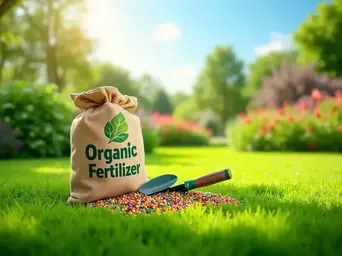 What if the secret to a vibrant lawn lay in the soil itself? By choosing organic fertilizers, you ca
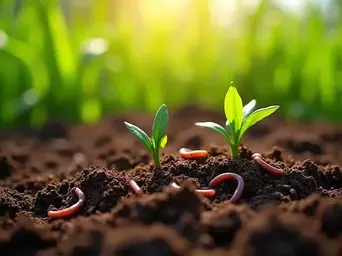 What if I told you that healthy soil is a living ecosystem crucial for sustaining life and vibrant l