Stay Updated on Lawn Care!

Subscribe to receive the latest tips and insights on creating a lush lawn, directly to your inbox.

Enhance Lawn Health with Organics


Enhance Lawn Health with Organics

Posted on: 2026-07-12
By: Derek Vattelana


What if the secret to a vibrant lawn lay in the soil itself? By choosing organic fertilizers, you can not only enhance your lawn's beauty but also contribute to a healthier ecosystem. Here’s what you’ll discover about the world of organic fertilization.

What You Will Learn

  • Organic fertilizers, made from natural sources, promote slow nutrient release, supporting long-term lawn health.
  • Key ingredients like compost, bone meal, and fish emulsion enhance soil fertility and structure.
  • Choosing organic options leads to improved microbial activity and a safer environment for families and pets.
  • The three primary nutrients—nitrogen, phosphorus, and potassium—are essential for vibrant grass growth and resilience.
  • Switching to organic practices fosters sustainability and contributes to a healthier landscape overall.

Comparative Advantages of Organic vs Synthetic Fertilizers

Understanding the benefits of organic fertilizers compared to synthetic options is essential for healthy lawn care. Below are key comparisons to consider. For more details on effective lawn care routines, check out our Essential Lawn Care Services Guide.

Longevity

Organic fertilizers provide slow, steady nutrient release for long-term lawn health.

Soil Health

They improve microbial activity and soil structure, promoting a healthy ecosystem.

Environmental Impact

Organic fertilizers are safer for the environment, reducing the risk of harmful runoff.

Safety for Family and Pets

Unlike synthetic fertilizers, organic options are safer for children and pets.

Understanding Organic Fertilizers and Their Role in Lawn Health

Have you ever wondered why your neighbor's lawn looks so vibrant and green? The secret often lies in the type of fertilization they use. Organic fertilizers play a crucial role in achieving and maintaining lawn health. At Turfcare PA Professional, I believe that understanding these fertilizers is the first step to creating a lush outdoor space that not only looks good but also thrives naturally.

Organic fertilizers are derived from natural sources, such as plants, animals, and minerals. Unlike synthetic fertilizers, which are chemically processed, organic options release nutrients slowly, ensuring a steady supply for your grass over time. This approach promotes a healthier lawn ecosystem, which is essential for long-term growth.

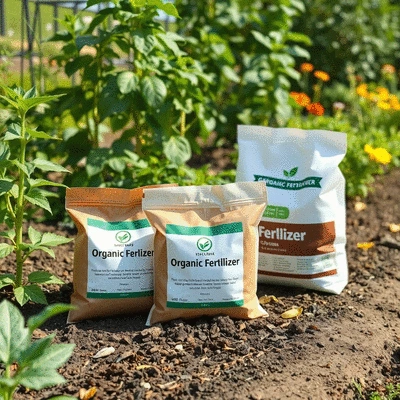
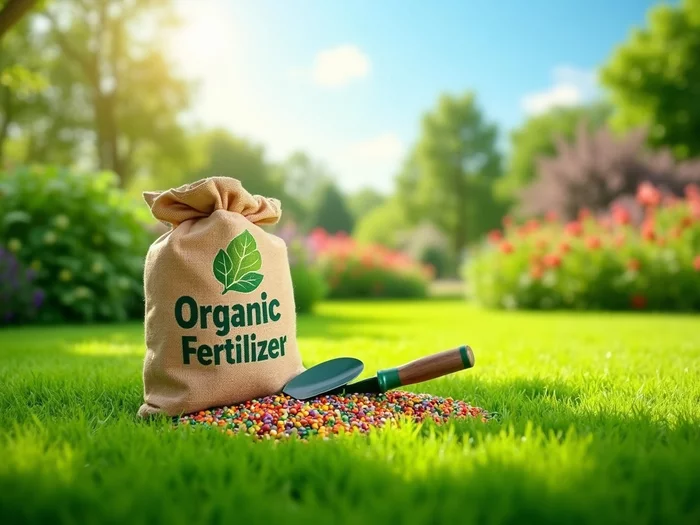
Organic fertilizers in a garden setting

What Are Organic Fertilizers?

So, what exactly are organic fertilizers? Simply put, they are products made from natural materials that enhance soil fertility. Common examples include compost, manure, and bone meal. These fertilizers not only nourish your lawn but also improve soil structure. Think of them as a nutritious meal for your grass that supports overall health!

  • Compost: Enriches soil with essential nutrients and improves soil structure.
  • Bone Meal: High in phosphorus, promotes root development.
  • Fish Emulsion: Provides a balanced nutrient profile, perfect for overall growth.
  • Seaweed Extract: Boosts grass resilience and stimulates growth.

By using these organic options, you can create a thriving lawn ecosystem that reduces the need for chemical interventions. Everyone deserves a lawn that's not just beautiful but safe for families and pets alike!

How Organic Fertilizers Compare to Synthetic Options

When it comes to choosing between organic and synthetic fertilizers, it’s important to consider their differences. Organic fertilizers work by enhancing the soil's natural processes, while synthetic fertilizers offer a quick nutrient boost. However, the latter can lead to nutrient runoff, harming the environment.

  • Longevity: Organic fertilizers provide slow, steady nutrient release.
  • Soil Health: Organic options improve microbial activity and soil structure.
  • Environmental Impact: Organic fertilizers are environmentally friendly and safe for surrounding ecosystems.

Choosing organic methods is not just about aesthetics; it's about cultivating a healthier environment. At Turfcare PA, I recommend considering the long-term benefits of organic fertilization for your lawn. For more on natural lawn care approaches, visit our Natural Lawn Fertilization Methods.

Key Components of Organic Fertilizers: Nitrogen, Phosphorus, and Potassium Explained

Every lawn care enthusiast should understand the role of the three primary nutrients found in fertilizers: nitrogen (N), phosphorus (P), and potassium (K). These nutrients are critical for your lawn's overall health, and organic fertilizers provide them in a natural form.

  • Nitrogen: Essential for leaf and stem growth, promoting vibrant green grass.
  • Phosphorus: Important for root development and flowering, helping your lawn establish itself.
  • Potassium: Aids in drought resistance and overall lawn strength, making it more resilient.

By selecting an organic fertilizer that includes these key components, you can support your lawn's growth naturally and effectively. Remember, a well-fed lawn is a happy lawn!

Pro Tip

Did you know? Applying organic fertilizers during the early spring and fall can significantly enhance your lawn's health. This timing aligns with the natural growth cycles of grass, allowing for optimal nutrient absorption and promoting a lush green lawn throughout the growing season.

Summarizing the Advantages of Organic Fertilizers for Lawn Health

When it comes to maintaining a vibrant lawn, the advantages of organic fertilizers cannot be overstated. Not only do they enrich the soil, but they also contribute to a healthier ecosystem, benefiting both your lawn and the environment. Let’s recap some of the key benefits you can expect when you choose organic fertilizers:

  • Enhanced Soil Health: Organic fertilizers improve soil structure and increase microbial activity.
  • Slow-Release Nutrients: They provide a steady supply of nutrients, promoting sustainable growth.
  • Safety for Family and Pets: Unlike synthetic options, organic fertilizers are safer for children and pets.
  • Environmental Protection: They reduce the risk of runoff, contributing to a healthier landscape.

Switching to organic fertilizers can truly be a game-changer for your lawn. Each of these benefits plays a crucial role in creating a lush, resilient outdoor space that you and your family can enjoy.

Why Switching to Organic Is a Smart Choice for Your Lawn

Making the switch to organic fertilizers is not just a trend; it’s a smart choice for the long-term health of your lawn. With my experience at Turfcare PA Professional, I’ve seen firsthand how organic options can transform lawns in Southeastern Pennsylvania. By choosing organic, you’re investing in:

  • Improved Soil Quality: Organic fertilizers enrich the soil with nutrients and improve its structure.
  • Long-Term Sustainability: They promote sustainable lawn care practices that benefit future generations.
  • Increased Lawn Resilience: A healthier lawn is better equipped to withstand pests and environmental stressors.

So, if you’re looking to grow a lawn that’s not only beautiful but also sustainable, organic fertilizers are the way to go!

Taking Action for a Healthier Lawn

Ready to Boost Your Lawn’s Health? Start with These Steps

Are you excited to enhance your lawn’s health? Here are a few steps to get you started on your journey to a greener, more vibrant lawn:

  • Evaluate your current lawn care routine and identify areas for improvement.
  • Choose the right organic fertilizer that matches your lawn's specific needs.
  • Consider soil testing to understand nutrient deficiencies and pH levels.
  • Implement a fertilization schedule aligned with seasonal growth patterns.

These initial steps can set the foundation for a thriving lawn that you’ll love to show off!

Engaging with Products: Where to Buy and Your Next Steps

Ready to take action? Look for organic fertilizers at local gardening stores or order them online through reputable retailers. At Turfcare PA Professional, I often recommend brands like Espoma and Milorganite for their quality and effectiveness. Here’s what you can do next:

  • Visit your local garden center to explore available products.
  • Read reviews and do comparisons between different brands.
  • Ask for recommendations from lawn care professionals or fellow gardeners.

With the right products in hand, you’re well on your way to transforming your lawn!

Exploring Eco-Friendly Gardening Practices for Long-Term Success

In addition to using organic fertilizers, consider incorporating other eco-friendly practices to ensure long-term success. Together, these practices create a holistic approach to lawn care:

  • Composting: Use kitchen scraps and yard waste to create nutrient-rich compost.
  • Mulching: Apply organic mulch around plants to retain moisture and suppress weeds.
  • Water Conservation: Implement efficient watering techniques to use less water while maintaining lawn health.

By embracing these practices, you’ll not only foster a thriving lawn but also contribute to a healthier environment for everyone!

Recap of Key Points

Here is a quick recap of the important points discussed in the article:

  • Understanding Organic Fertilizers: Derived from natural sources, they improve soil health and provide slow, steady nutrient release.
  • Key Nutrients: Organic fertilizers contain essential nutrients such as nitrogen, phosphorus, and potassium, vital for lawn growth.
  • Environmental Benefits: They reduce nutrient runoff and are safer for families and pets compared to synthetic options.
  • Long-Term Sustainability: Choosing organic methods promotes a healthier ecosystem and a more resilient lawn.
  • Action Steps: Evaluate your lawn care routine, select appropriate organic fertilizers, and consider soil testing for optimal results.

Frequently Asked Questions

  • What are organic fertilizers? Organic fertilizers are products made from natural materials that enhance soil fertility, including compost, manure, and bone meal.
  • How do organic fertilizers compare to synthetic fertilizers? Organic fertilizers provide slow, steady nutrient release and improve soil health, while synthetic fertilizers offer quick boosts but can harm the environment.
  • What key nutrients do organic fertilizers provide? Organic fertilizers generally contain nitrogen, phosphorus, and potassium, which are essential for lawn growth.
  • Why should I choose organic fertilizers? Organic fertilizers enhance soil health, provide safe options for families and pets, and are environmentally friendly.
  • How can I get started with organic fertilization? Start by evaluating your lawn care routine, selecting appropriate organic fertilizers, and creating a fertilization schedule aligned with seasonal growth patterns.
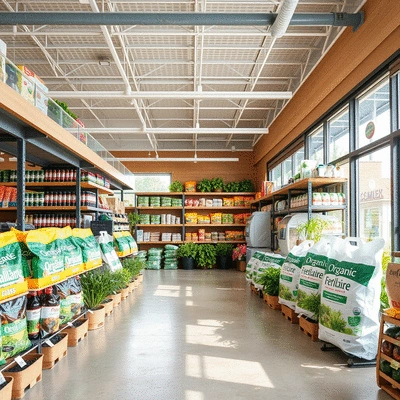
Organic fertilizer products in a retail store

turfcare PA


Subscribe & Share
Lawn Care Options in Glenmoore Lawn Care Options in Glenmoore Have you ever been frustrated with a lawn that just won't thrive? The solution might be simpler than
Enhance Lawn Health with Organics Enhance Lawn Health with Organics What if the secret to a vibrant lawn lay in the soil itself? By choosing organic fertilizers, you ca
Enhancing Soil Health Naturally Enhancing Soil Health Naturally What if I told you that healthy soil is a living ecosystem crucial for sustaining life and vibrant l
Banner
Turfcare PA Professional

Your go-to resource for achieving the lush lawn of your dreams. We help homeowners in Southeastern Pennsylvania with customized organic lawn care solutions and practical guidance.

Trusted by local residents, our mission is to provide reliable, easy-to-follow insights backed by years of expertise in organic lawn care.

Learn More
Recent Posts
Lawn Care Options in Glenmoore Lawn Care Options in Glenmoore

Have you ever been frustrated with a lawn that jus

Enhance Lawn Health with Organics Enhance Lawn Health with Organics

What if the secret to a vibrant lawn lay in the so

Enhancing Soil Health Naturally Enhancing Soil Health Naturally

What if I told you that healthy soil is a living e

Lawn Care Tips from Turfcare PA