Healthy Lawns Through Soil Conditioning

Posted on: 2026-07-11
By: Derek Vattelana
Soil conditioning is more than just a gardening task; it's the foundation for creating a lively and resilient lawn that can withstand the seasons. With simple steps and an understanding of soil health, you can transform your outdoor space into a thriving ecosystem. Ready to learn how to cultivate the perfect lawn?
What You Will Learn
- Soil conditioning promotes healthy root growth, enhancing your lawn's ability to absorb nutrients and water.
- Conducting soil tests helps identify pH levels and nutrient deficiencies, ensuring tailored conditioning efforts.
- Maintaining proper soil pH (6.0 to 7.5) is crucial for nutrient availability and overall lawn health.
- Regular monitoring of soil health and nutrient levels allows for proactive lawn care, ensuring vibrant growth.
- Implementing best practices like deep watering and organic fertilization will maximize the benefits of soil conditioning.
Key Benefits of Soil Conditioning
Soil conditioning enhances your lawn in several critical ways, ensuring healthy growth and resilience. For more effective lawn care strategies, consider exploring effective weed management strategies.
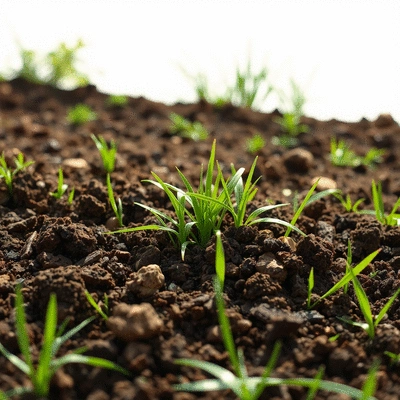
Promotes Healthy Roots
Healthy roots anchor the grass and help it absorb water and nutrients, leading to a more resilient lawn.
Enhances Soil Structure
Well-conditioned soil improves aeration and drainage, which are vital for root health.
Boosts Nutrient Availability
Proper conditioning ensures essential nutrients reach your grass, enhancing growth and vitality.
Improves Moisture Retention
Well-conditioned soil helps retain moisture, reducing the need for frequent watering.
Understanding Soil Conditioning for a Thriving Lawn
Soil conditioning is an essential practice for any homeowner looking to cultivate a healthy lawn. It involves enhancing the soil's physical and biological properties to support robust root growth and overall lawn health. By conditioning your soil, you're essentially giving your grass the best chance to thrive in a nutrient-rich environment, leading to a lush, vibrant lawn that not only looks great but is also resilient against pests and diseases.
Imagine your lawn as a beautiful green canvas; soil conditioning is the primer that prepares it for stunning artwork. A well-conditioned lawn means stronger roots, better moisture retention, and improved nutrient availability, creating a thriving outdoor space you'll love.
What is Soil Conditioning and Its Importance?
- Promotes healthy roots: Healthy roots anchor the grass and help it absorb water and nutrients.
- Enhances soil structure: Well-conditioned soil improves aeration and drainage.
- Boosts nutrient availability: Proper conditioning ensures essential nutrients reach your grass.
At Turfcare PA Professional, we emphasize the importance of these factors when working on your lawns in Southeastern Pennsylvania. A healthy lawn is more than just aesthetics; it's about creating a sustainable, lively ecosystem that benefits both your home and the environment. For more information on essential lawn care services, check out our essential lawn care services guide.
Why Soil Testing is Essential Before Conditioning
Before diving into soil conditioning, it’s crucial to understand the current state of your soil. Soil testing allows you to diagnose issues related to pH levels and nutrient deficiencies. This step is vital because it helps tailor your conditioning efforts to address specific problems, ensuring that your lawn receives exactly what it needs.
Think of soil testing like a check-up for your lawn. Just as we visit the doctor for a health assessment, your lawn requires its own diagnostic evaluation to thrive. Without it, you may end up applying the wrong amendments, which can waste time and resources.
How to Conduct a Soil Test
Conducting a soil test is straightforward and can be done in just a few steps:
- Gather tools: You'll need a clean container, a soil probe or trowel, and a soil testing kit.
- Choose sampling locations: Take samples from different areas of your lawn to get a comprehensive overview.
- Sample depth: Dig down about 3-6 inches to collect soil from the root zone.
- Mix samples: Combine the soil from various spots to create a representative sample.
- Send for testing: Follow the kit's instructions to send your sample to a lab and receive your results.
Following these steps ensures you get an accurate snapshot of your soil's health, which will inform the best conditioning practices. Remember, each lawn is unique, and understanding its specific needs is the key to achieving the best results!
The Role of Soil pH in Lawn Health
The pH level of your soil is crucial for determining nutrient availability. Most grass types thrive in a pH range of 6.0 to 7.5. If your soil is too acidic or too alkaline, your lawn might struggle to absorb essential nutrients. Adjusting soil pH can make a remarkable difference in your lawn's growth and overall health.
If you discover that your soil pH is outside the ideal range, don’t fret! There are simple ways to adjust it. For instance, adding lime can raise the pH (make it more alkaline), while sulfur can lower it (make it more acidic). By managing pH levels, you'll drastically enhance your lawn’s ability to utilize nutrients effectively.
Identifying Soil Problems: Tailoring Solutions for Your Lawn
As dedicated lawn care experts, we at Turfcare PA Professional often see common soil issues that can hinder the health of your lawn. Recognizing these problems early on allows us to tailor solutions that make a significant impact on the quality of your turf.
Pro Tip
To maximize the benefits of your soil conditioning efforts, consider incorporating organic matter, such as compost or well-rotted manure. This not only improves soil structure but also enhances nutrient availability and promotes beneficial microbial activity, ensuring your lawn thrives for years to come!
Maintaining a Healthy Lawn After Soil Conditioning
After investing time and effort into soil conditioning, it's crucial to maintain your lawn's health to maximize those benefits. A well-cared-for lawn is not just a pretty sight; it contributes to a healthier environment and enhances your outdoor experience. Here are some best practices to keep in mind:
- Watering: Ensure your lawn receives consistent moisture, especially after conditioning. Deep watering encourages root growth.
- Mowing: Set your mower high to avoid cutting grass too short. This helps in shading the soil and retaining moisture.
- Fertilizing: Use organic fertilizers as part of your lawn care routine to maintain nutrient levels and promote healthy growth.
Following these practices will help your lawn thrive and ensure that the effects of your soil conditioning efforts last long. Remember, a vibrant lawn is a reflection of the care you put into it!
Monitoring Soil Health Over Time
Regular monitoring of your lawn's soil health is essential in maintaining its vitality. It allows you to track improvements and identify when further conditioning might be necessary. Here are some tips for keeping an eye on your soil:
- Check for Compaction: If your lawn feels hard underfoot, it may be time to aerate again.
- Observe Grass Color: Dark green grass indicates good nitrogen levels, while pale grass may need attention.
- Use Soil Testing Kits: Regular testing can provide insights into pH and nutrient levels, guiding your next steps.
Being proactive about monitoring soil health ensures your lawn remains resilient and lush, especially during changing seasons.
Understanding Soil Nutrients: Nitrogen, Phosphorus, and Potassium
When it comes to maintaining optimal lawn health, understanding key soil nutrients is essential. The three primary nutrients—Nitrogen, Phosphorus, and Potassium (often referred to as N-P-K)—play significant roles:
- Nitrogen (N): Promotes vibrant green growth and is crucial for leaf development.
- Phosphorus (P): Supports strong root systems and enhances flowering, making it vital for new grass establishment.
- Potassium (K): Improves overall plant health and stress resistance, especially during drought.
Maintaining the right balance of these nutrients is key to a thriving lawn. Regular soil testing will help you understand what your lawn needs and how to provide it!
Start Your Journey to a Healthier Lawn Today
Are you ready to take the next steps in caring for your lawn? Understanding your soil and implementing effective conditioning practices can transform your outdoor space into a lush paradise. Start by checking your soil's condition and making informed choices about your care routine.
Action Steps to Begin Conditioning Your Soil
Here are a few action steps you can take immediately:
- Conduct a soil test to assess your nutrient levels.
- Identify necessary amendments based on your soil type.
- Plan a schedule for watering and fertilizing your lawn.
By taking these steps, you're on your way to achieving the lawn of your dreams! At Turfcare PA Professional, we’re here to support you every step of the way. For more on natural lawn fertilization methods, you can visit natural lawn fertilization methods.
Resources for Further Learning
For those looking to dive deeper into soil health and lawn care, here are some valuable resources:
- Penn State Soil Testing Services
- Recommended Organic Products from Turfcare PA
- Additional Reading Materials on Lawn Care
These resources can help you make informed decisions and empower you on your lawn care journey. Your dream lawn is just around the corner! Let's get started today!
Recap of Key Points
Here is a quick recap of the important points discussed in the article:
- Soil Conditioning Benefits: Promotes healthy roots, enhances soil structure, and boosts nutrient availability for a thriving lawn.
- Importance of Soil Testing: Conducting a soil test helps identify pH levels and nutrient deficiencies, ensuring tailored conditioning efforts.
- Maintaining Lawn Health: Consistent watering, proper mowing height, and organic fertilizing are key practices after soil conditioning.
- Monitoring Soil Health: Regular checks for compaction and grass color, along with periodic soil testing, are essential for ongoing lawn vitality.
- Nutrient Balance: Understanding and maintaining the right levels of nitrogen, phosphorus, and potassium is crucial for lawn health.
FAQs
- What is soil conditioning? Soil conditioning is the process of enhancing the physical and biological properties of soil to support healthy root growth and overall lawn health.
- Why is soil testing important? Soil testing helps identify pH levels and nutrient deficiencies, allowing for tailored conditioning efforts that meet your lawn's specific needs.
- How can I maintain my lawn after soil conditioning? Regular watering, proper mowing heights, and organic fertilizing are essential practices to keep your lawn healthy after conditioning.
- How often should I test my soil? It's recommended to conduct soil tests at least once a year or whenever you notice changes in your lawn's health.
- What nutrients are essential for a healthy lawn? The three primary nutrients are nitrogen, phosphorus, and potassium (N-P-K), which are crucial for promoting growth, root development, and overall plant health.

 Have you ever been frustrated with a lawn that just won't thrive? The solution might be simpler than
 What if the secret to a vibrant lawn lay in the soil itself? By choosing organic fertilizers, you ca
 What if I told you that healthy soil is a living ecosystem crucial for sustaining life and vibrant l